 Skip to content
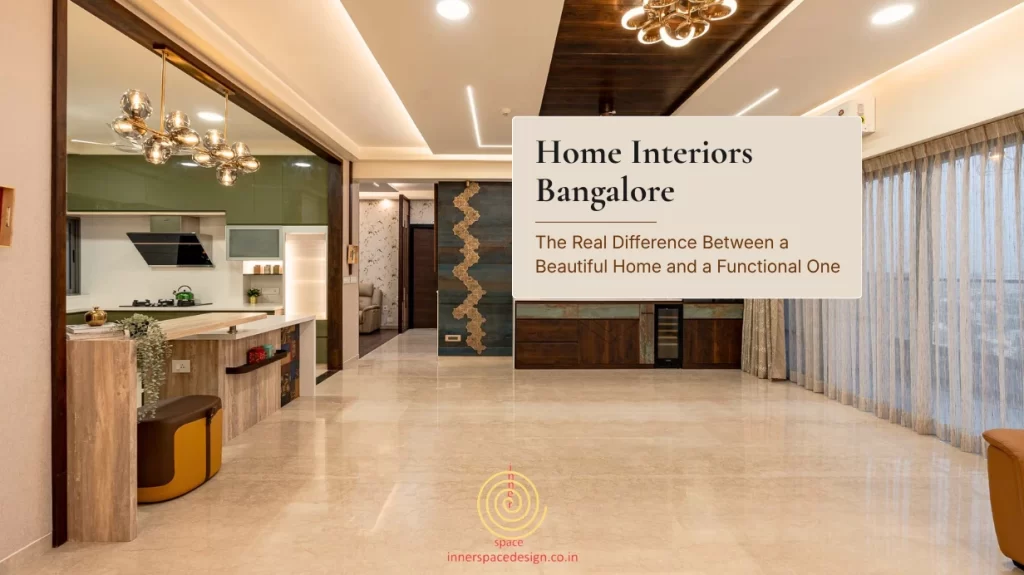
One thing we keep coming back to in our work is this: a home can be lovely to look at and still be tiring to live in.
We see it in small ways. A kitchen island that looks great but is not comfortable to use every day. A reading corner that ends up holding bags and laundry. A living room arranged perfectly, but not where the family actually wants to sit.
None of these are big design mistakes on their own. But together, they change how a home feels after you have lived in it for a while.
That is why, when we think about home interiors Bangalore homeowners are looking for today, we do not begin with finishes alone. We start with how the home will be used, where people gather, what needs to be within reach, and what tends to get in the way.
For us, a beautiful home is only half the job. It also needs to function quietly in the background, day after day.
Can Home Interiors Bangalore Look Right but Feel Wrong?
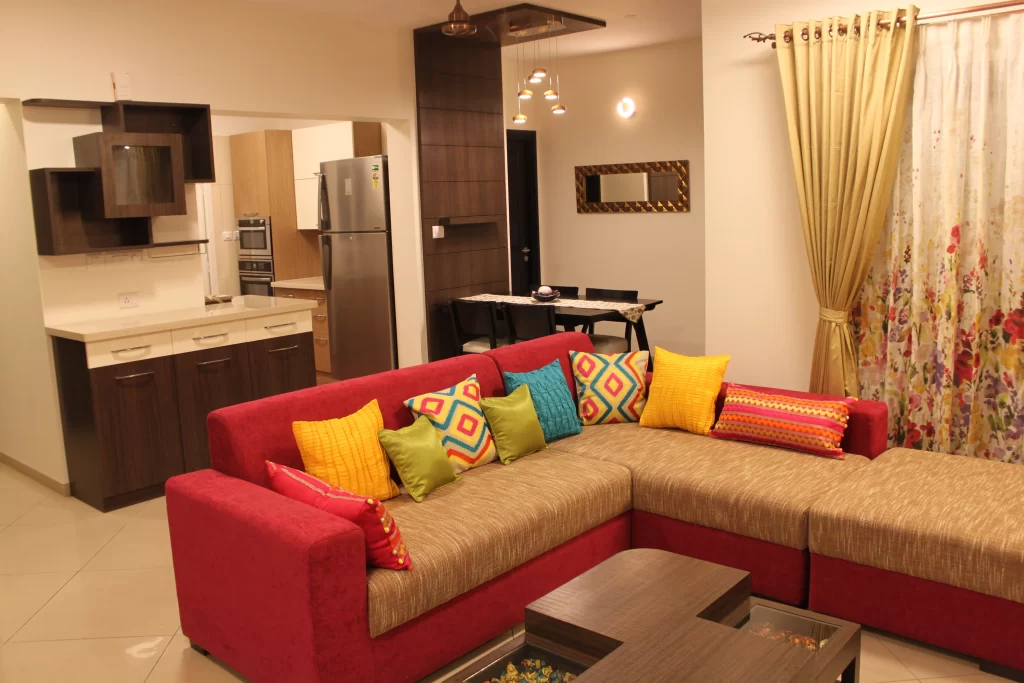
Beauty is often the easiest part of a home to imagine.
It begins with colours, materials, furniture, lighting, and the photographs homeowners save for inspiration. A carefully chosen palette can bring warmth to a room. The right light can change its mood. A beautiful piece of furniture can give the space character.
All of this matters.
But beauty is usually experienced from one point of view. Daily life is not.
A home is used early in the morning when everyone is getting ready at once. It is used when groceries arrive, children bring their school bags inside, someone needs to join a work call, and a guest decides to stay for dinner.
A photograph cannot always show whether there is enough space to move around a bed. It cannot show whether a wardrobe shutter opens without hitting the bedside table or where wet umbrellas are kept during the monsoon.
A home may look well designed and still create small frustrations every day.
Why Should Everyday Life Come First?

Functionality cannot be added at the end of a project. It needs to shape the home from the beginning.
Our first conversations with clients rarely begin with a colour palette. We usually start by understanding what an ordinary day looks like.
Who wakes up first? Where does morning tea happen? Does the family cook together? Does someone work from home? Are meals eaten at the dining table, or does everyone naturally gather near the kitchen?
These may seem like simple questions, but the answers influence almost every design decision.
A family that cooks elaborate meals needs a very different kitchen from one that prefers quick weekday cooking. A person working from home may need privacy during calls but may not want to be shut inside a separate room all day.
The floor plan tells us how much space is available. The family tells us what that space needs to become.
This is the foundation of good functional interior design understanding the family before the floor plan.
How Do Small Details Make a Difference?
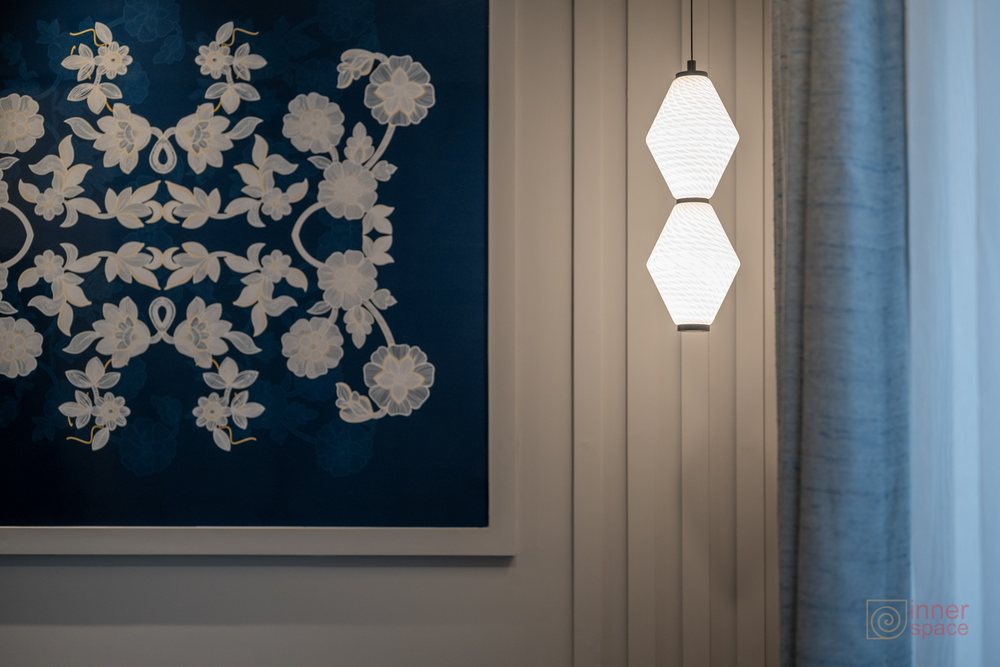
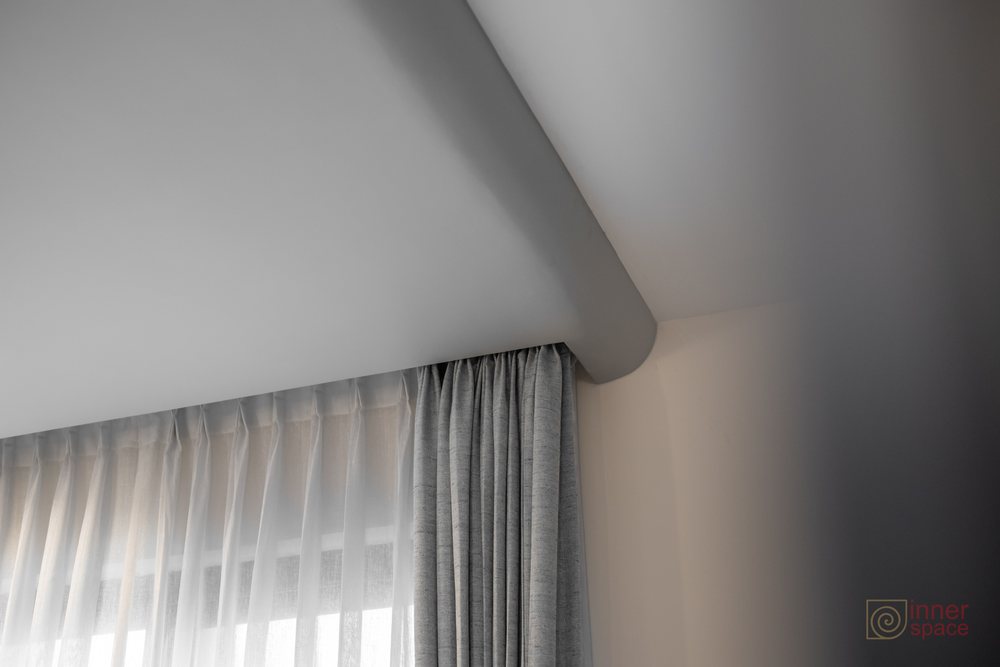
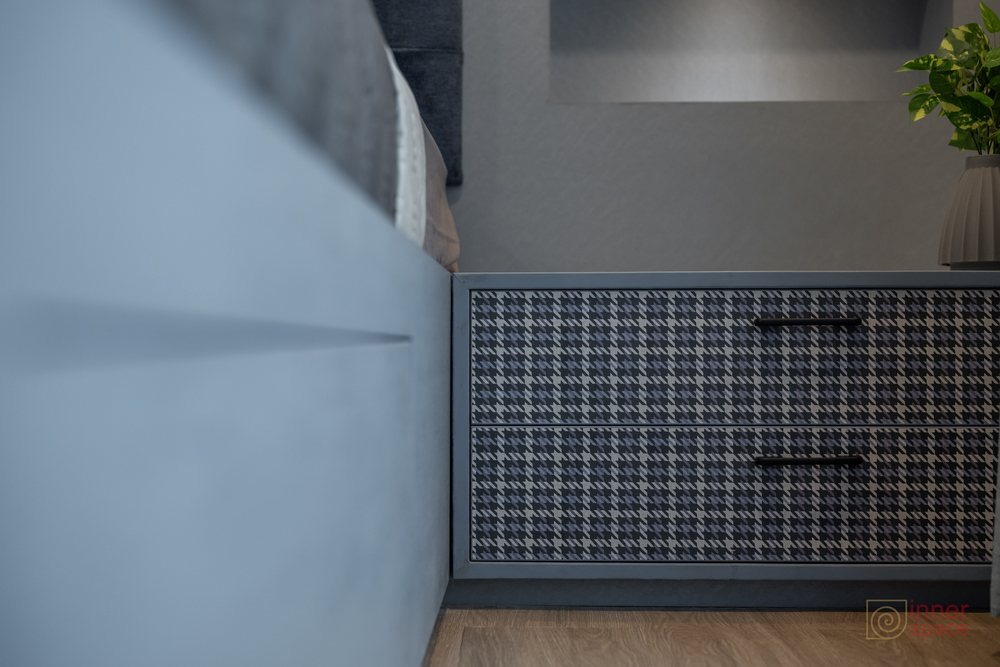
Some of the most useful design decisions are the ones people barely notice.
When a space feels effortless, it is usually because someone has thought carefully about movement before thinking about decoration.
A switchboard placed next to the bed. A charging point near the sofa. Enough space to pull out a dining chair without blocking the passage. A small seat near the entrance where someone can comfortably wear their shoes.
These details rarely become the centre of a photograph, but they shape the experience of living in the home.
Some of the most useful design decisions are the ones people barely notice. A centre table may look perfectly placed, but if it leaves too little room to move around comfortably, the layout does not really work.
That is why we look at movement, clearances, and everyday use along with how the room looks.
Why Do Home Interiors Bangalore Need Kitchens That Fit?

Kitchens often reveal the difference between visual planning and functional planning very quickly.
A sleek countertop may look beautiful but leave no room for the appliances used every morning. Open shelves may appear light and spacious but become difficult to maintain in a kitchen where cooking happens several times a day.
Good kitchen design begins with routine.
Where are vegetables washed and cut? Which utensils are used every day? Can two people move comfortably at the same time? Should the coffee machine sit away from the main cooking zone?
The kitchen should follow the rhythm of the people using it, not the other way around.
How Can Storage Feel More Natural?
Almost every homeowner asks for more storage. But a large amount of storage does not always make a home more organised.

What matters is where it is placed and what it is meant to hold.
A deep cabinet may provide more space on paper, but everyday objects can disappear at the back. A tall wardrobe may look impressive, but its internal arrangement must match the clothes, accessories, and routines of the person using it.
Things used every day should be easy to reach. Seasonal items can be stored higher. School bags need a place close to the entrance. Cleaning supplies should sit near the areas where they are needed.
Storage works best when putting something away feels easier than leaving it outside.
It should also reflect real belongings. A person with more folded clothes needs different wardrobe divisions from someone who prefers hanging most things. A family that travels often needs practical luggage storage. Someone who collects books needs shelves designed for more than a few decorative objects.
Why Do Rooms Need Space to Change?
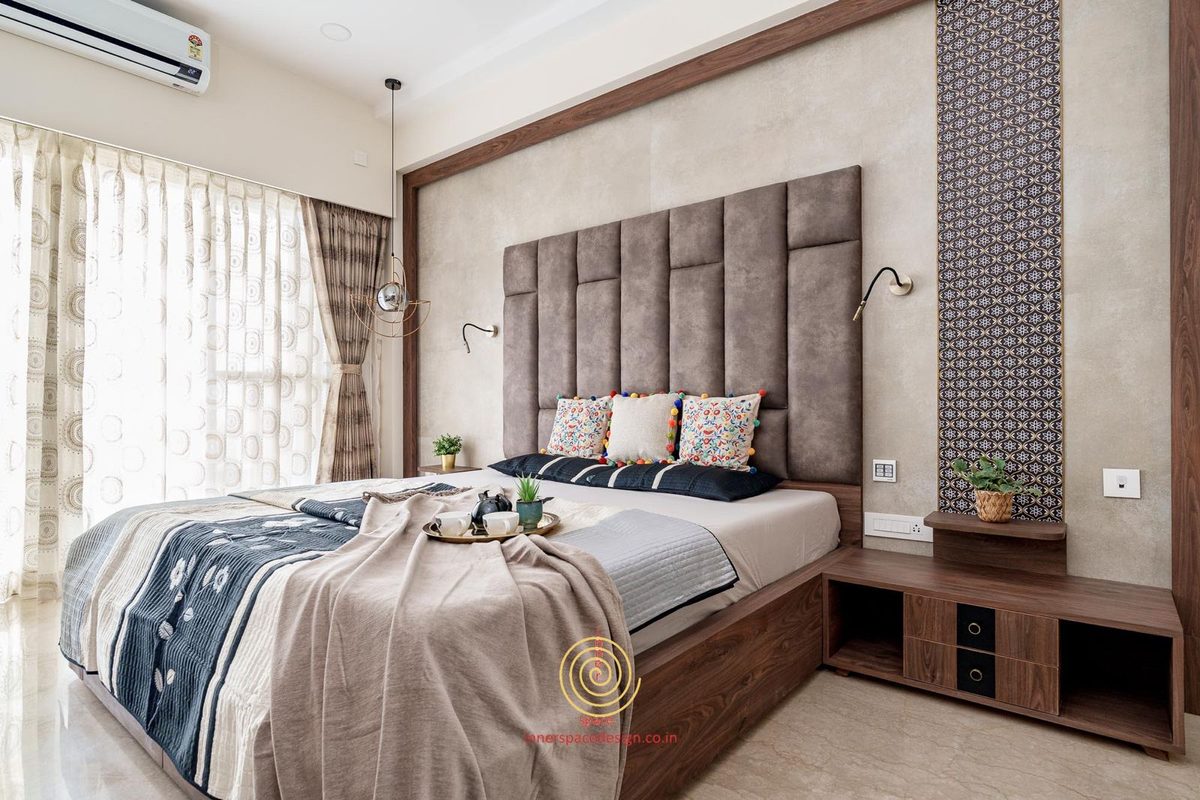
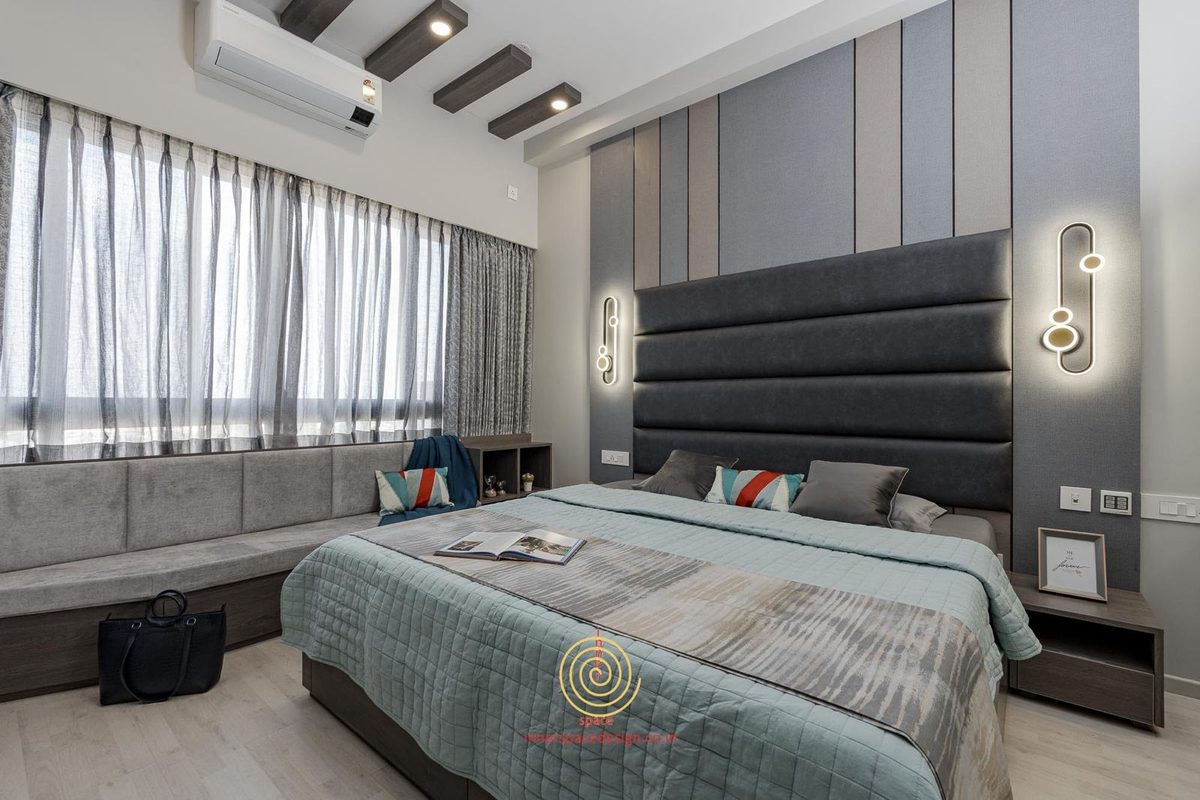
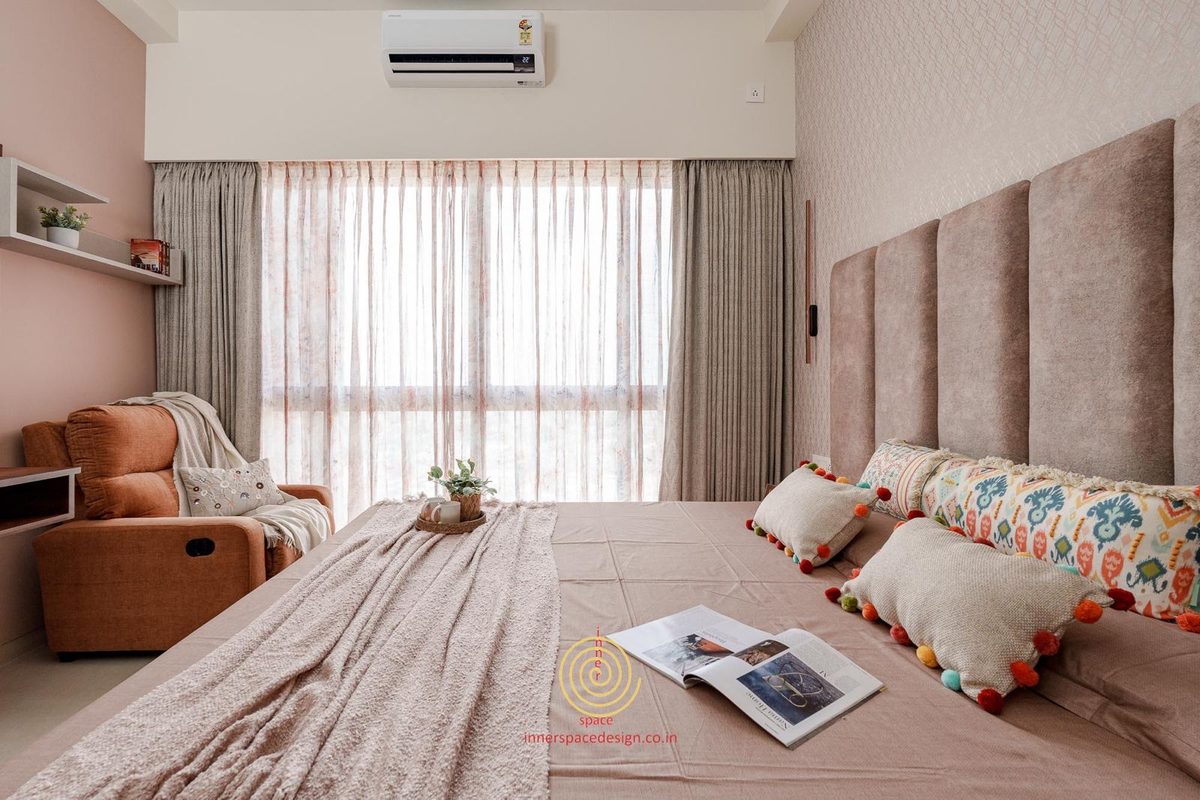
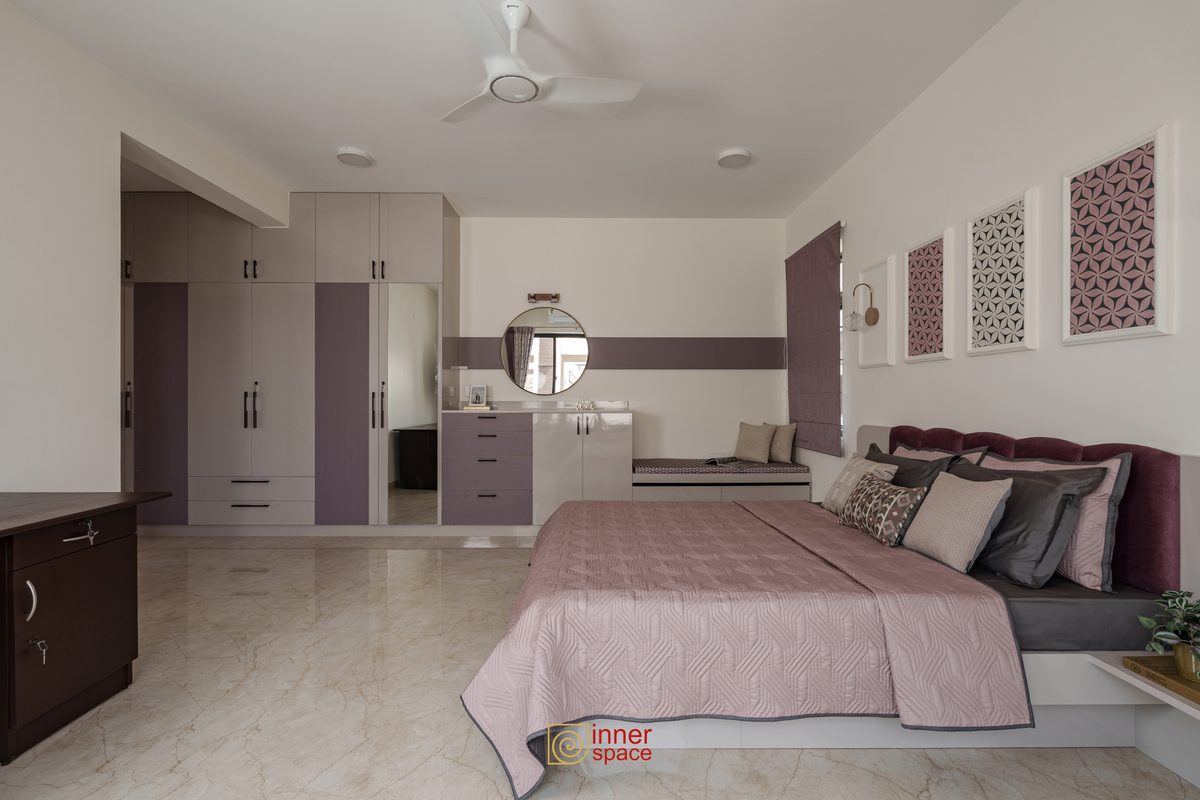
Rooms do not always have one fixed purpose anymore.
A home designed with some room for change tends to age more gracefully.
A guest room may also be a study. A dining table may become a work desk during the day. A balcony may be used for plants, exercise, morning tea, and drying clothes, sometimes within the same week.
A functional home accepts these overlaps instead of ignoring them.
A study table can be planned so work files disappear when guests arrive. A window seat can include storage underneath. A child’s room can be designed to change gradually as the child grows rather than requiring a complete redesign every few years.
This does not mean every piece of furniture needs to transform into something else. It means the home should have enough flexibility to support the life unfolding inside it.
A house designed only for the present can begin to feel restrictive quite quickly. A home designed with some room for change tends to age more gracefully.
Why Do Materials Need to Be Honest?
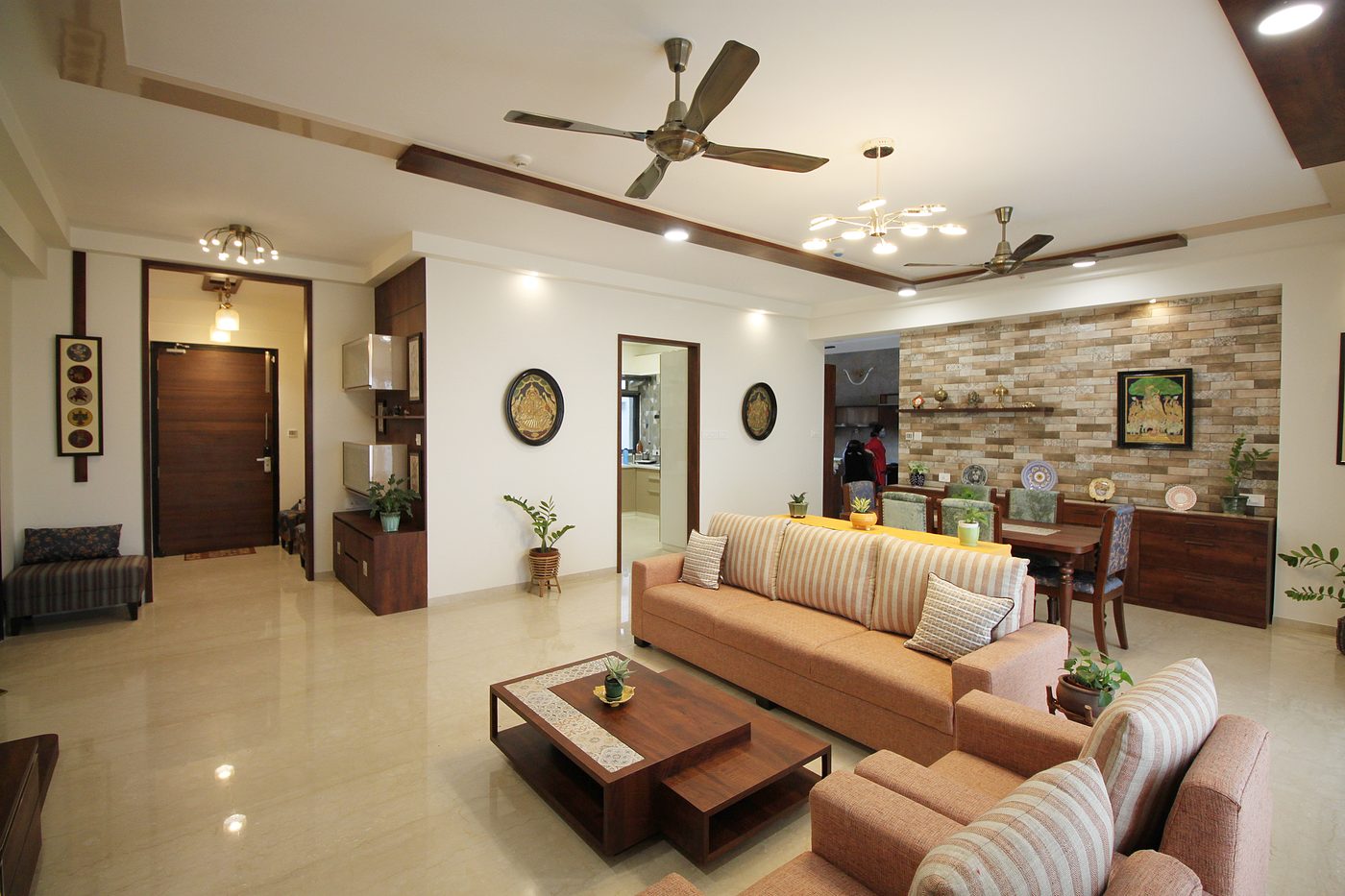
Materials are often chosen from small samples under showroom lighting. Once they enter a home, they have to deal with sunlight, dust, spills, fingerprints, children, pets, and regular cleaning.
A home should not make its owners anxious every time someone places a cup on the table.
A delicate fabric may work beautifully on an occasional chair but not on the sofa used every evening. A glossy finish may look elegant but require more maintenance than the homeowner is comfortable with.
There is no single material that is right for every home.
The right material is one that suits the household. It should fit the way the surface will be used, how often it will be cleaned, and how the homeowner feels about natural ageing and maintenance.
This is especially important while planning home interiors Bangalore families will live with for many years. A home should not make its owners anxious every time someone places a cup on the table.
Can Home Interiors Bangalore Balance Beauty and Function?
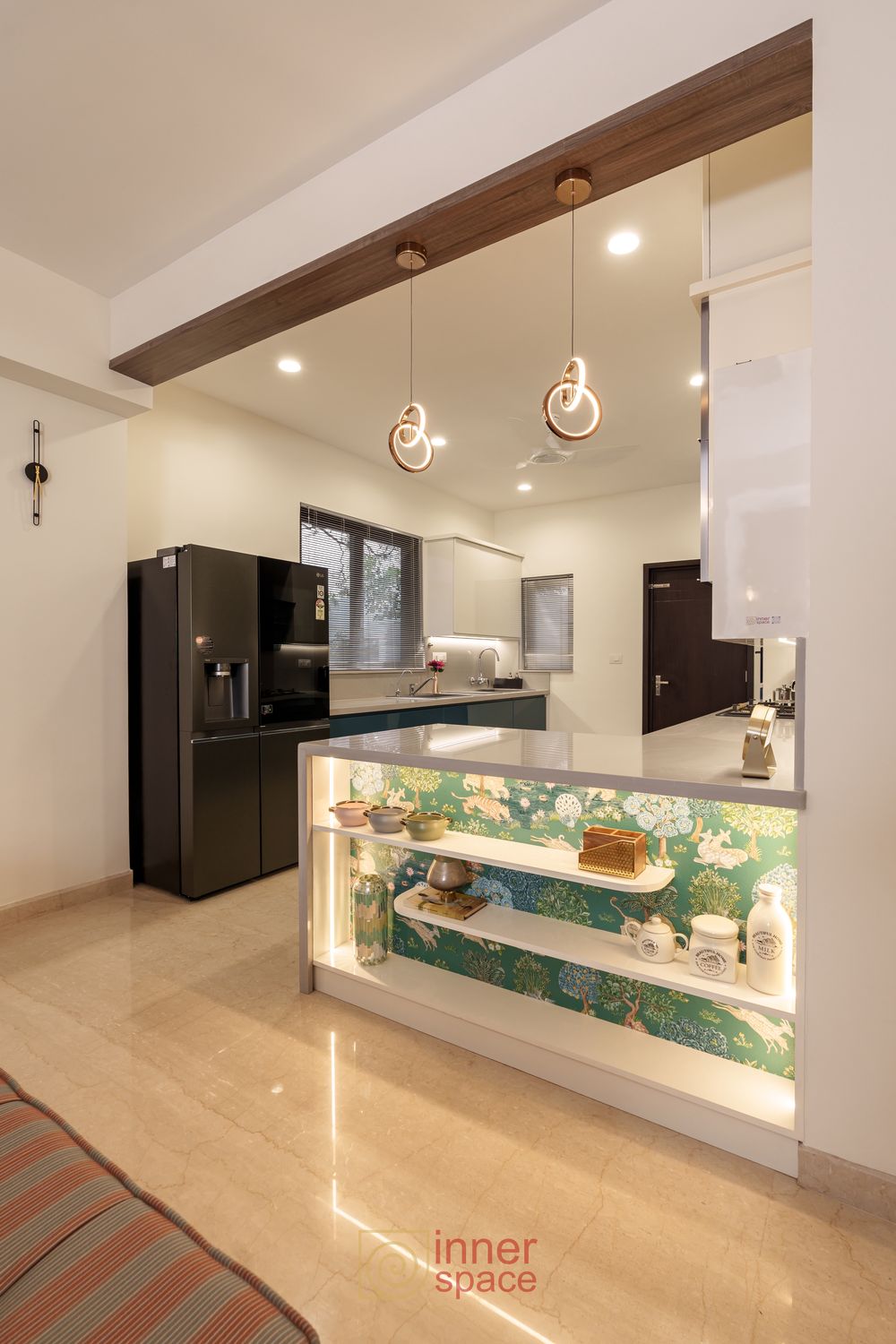
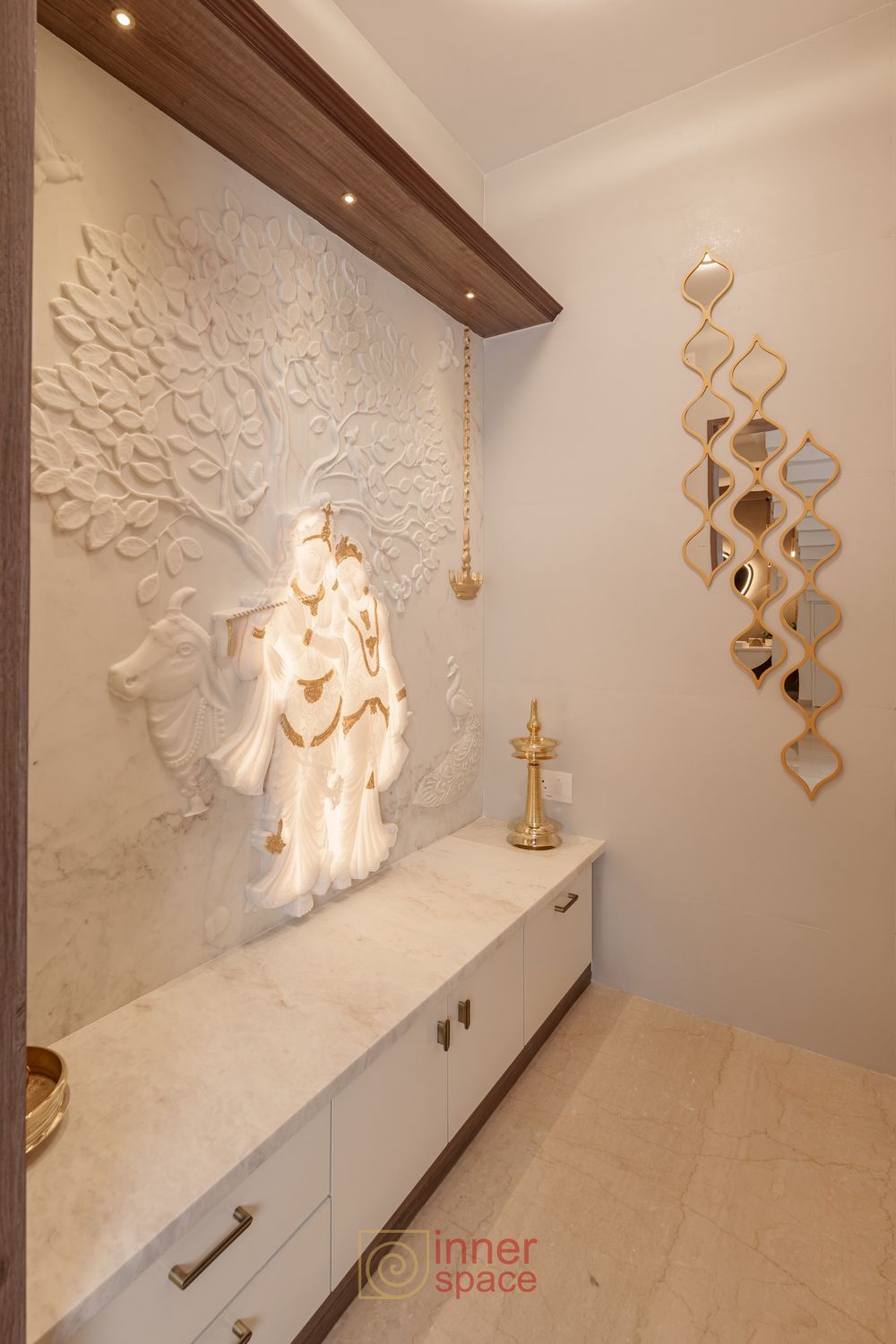
Functionality does not mean that a home needs to look plain or overly practical.
In fact, many of the most beautiful elements in a home come from solving a real need.
A curved bench may turn an unused corner into a favourite place to sit. A wooden screen may create privacy without blocking light. A large dining table may become the heart of the home because that is where the family naturally gathers.
When a design choice has a reason behind it, beauty feels less applied. It feels as though it belongs.
The colours, materials, furniture, and art still matter. But they are not trying to hide a layout that does not work. They are adding personality to a home that already understands the people living in it.
A beautiful home creates a strong first impression. A functional home continues to support you long after that first impression has passed.
The best homes do both.
At Inner Space, we believe a home should not only look complete on the day it is photographed. It should continue to feel right on an ordinary weekday, years after the family has moved in.
Found this article helpful? Share it with someone planning their home.
